Private Addiction Recovery & Support for Adults in the Greenacres area and all of Florida
What if your recovery wasn't just about sobriety?
Signs You May Have a Drinking or Drug Problem
“I come home from a long day at work and my first thought is to have a drink.”
“I haven’t been honest my loved ones about how overwhelmed I feel.”
“If I think about life without alcohol or drugs, I feel like my gut just got hollowed out.”
“My self-esteem has taken a real hit.”
“My emotions are in charge, and they’ve taken over every part of my life.”
“I have trouble keeping my temper in check without a little something to take the edge off.”
“I think I might have a drinking problem.”
Who I Work With
Adults in recovery who feel like something is missing or want to take their recovery to the next level.
Adults who want to start recovery and need guidance and support.
Adults who are thinking about quitting and need support.
Adults whose loved ones are struggling with addiction. You need a recovery of your own.
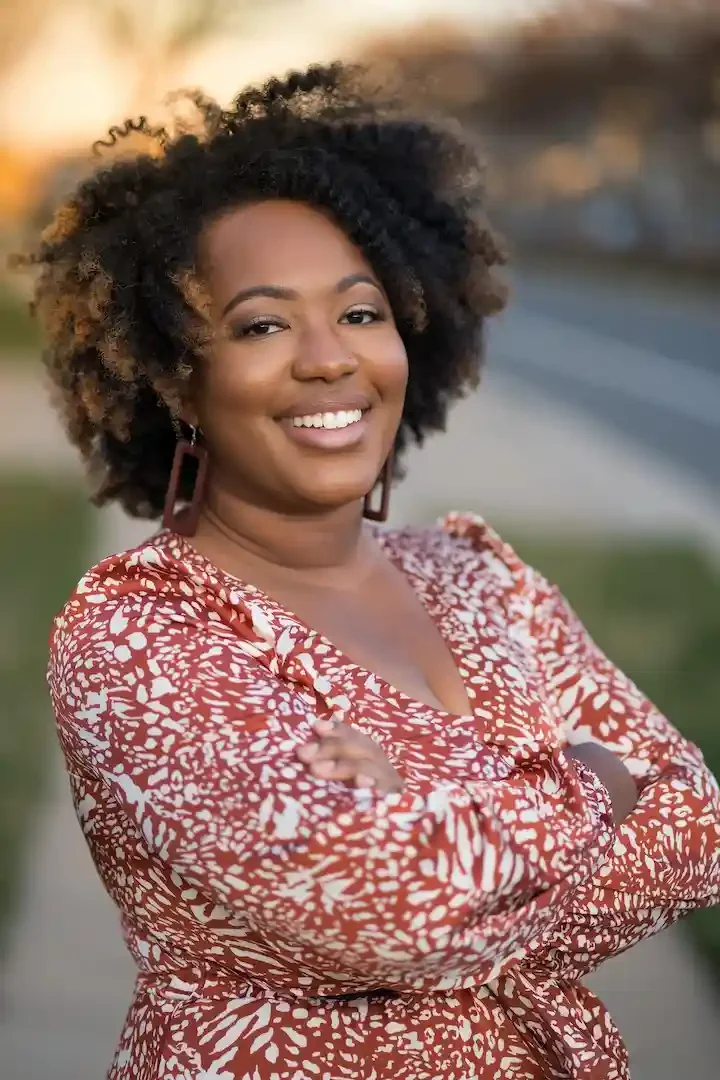
I'm Michelle Robin Gould, Licensed Mental Health Counselor.
I’m a therapist who knows about both addiction and recovery.
One is the problem. The other is the solution.
I provide specialized addiction recovery support for adults throughout Florida, with a home base in Greenacres. Whether you are in Palm Beach County or connecting with me virtually from across the state, I’m dedicated to providing you with the strategies and support you need—as a therapist who truly understands both the clinical side of addiction and the personal reality of recovery.
My connection to the South Florida recovery community runs deep; my own journey began with my first meetings in Boca Raton back in 2008. This personal history reinforces my commitment to the community that profoundly shaped my path and my professional expertise.
My Unique Approach to Recovery
-
I offer a concierge approach to therapy, which means I provide truly exceptional, personalized service. You're always treated as an individual with your own unique needs. I prioritize direct communication and accessibility, making sure you feel seen, heard, and genuinely valued. Read more about my approach.
-
If you’ve ever been in therapy before, you know how important the between-session work can be. I give you a personalized, private e-library of therapy content to work on that helps you transfer the realizations you acquire in therapy to concrete skills and real-life situations. You can read more about the e-library in my FAQs.
-
In my therapy sessions, we focus on solutions. I help you identify and build upon your inherent strengths, empowering you to move forward with dignity and purpose. A core belief guiding my work is empowering you, my client, to exercise greater control over your life. I strive to foster your resilience, self-awareness, and self-efficacy, giving you the tools to steer your own path.
-
I incorporate a variety of research-supported approaches specifically tailored for addiction recovery. These include Dialectical Behavior Therapy (DBT), Solution-Focused Therapy, Cognitive Behavioral Therapy (CBT), Positive Psychology, and Mindfulness. Additionally, when clients are open to it, I utilize 12-Step Facilitation (TSF) which helps clients explore 12-step programs with the added benefit of my lived experience and insights.
Addiction Affects All Areas of Your Life
If you find yourself in the grip of habits you desperately wish you could shake, experiencing impulsivity, guilt and shame, out-of-control reactions, exhaustion, or numbness, you're likely grappling with a significant problem that's impacting every facet of your life. You may have found your way to my website because you’re ready to get off of the constant emotional rollercoaster that defines active addiction.
My concierge service for addiction recovery in Greenacres and online throughout Florida is designed specifically for adults like you, whether you’re unsure if you have an addiction, just out of rehab, have some time in recovery but feel stuck, or are simply ready to stop pretending that everything is okay.
My concierge approach ensures you receive exceptional, personalized attention, with all sessions conducted online for ultimate convenience, privacy, and accessibility across Florida. This means you can get the help you need without having to quit your job, leave your home, or put your life on hold. Research shows that online treatment for both substance use disorders and behavioral addictions is just as effective as in-person treatment.
You're looking for stability, confidence, and peace of mind. We'll work on facing challenges like managing cravings and urges, untangling racing thoughts, coping with anxiety, and building emotional steadiness. It's time to reclaim your life and begin your journey to a happier, healthier future in recovery.
Statistics show that nearly 21 million Americans have at least one addiction, yet only 10% of them receive sobriety help and treatment. You don’t have to be among the 90% of people who never get substance abuse help. I can help you by providing nonjudgmental addiction support, coping strategies, recovery tools, skills training, and encouragement.
Comprehensive Addiction Support in Your Community
Addressing All Forms of Addiction
I work with individuals struggling with both substance addictions like alcohol, illegal drugs, and prescription medications, and behavioral addictions, such as codependency, compulsive shopping, and excessive internet use. They have the same symptoms in common, and the same potential consequences. The same solutions work for both.
Whether you're unsure if you even have an addiction, you're just out of rehab and need continued support, or you’re someone supporting a loved one in active addiction, know that help is readily available through my practice.
We will tap into your time in active addiction for information about how you got here, but we will not use it as a source of blame or shame. There’s a huge difference between taking responsibility and living with a mindset of blame and shame. We will acknowledge the things you don’t like about your feelings and actions, and we will take steps to help you accept the past, forgive yourself, and move forward.
We will focus on solutions by identifying your strengths and building on them. If you’re in a head space where you do not feel as though you have many strengths, I promise you right now that you do, and I will help you recognize and expand on them.
Addiction and Mental Health (Dual Diagnosis)
As a specialist in dual diagnosis, I provide therapy for addiction recovery alongside any co-occurring mental health disorders that frequently appear with drug and alcohol addiction. This can include anxiety, depression, PTSD, ADHD, borderline personality disorder, and bipolar disorder, which often intertwine with addiction.
Most people who develop an addiction have a history of trauma. You may have heard trauma referred to as “trauma with a big T” and “trauma with a little t.” Trauma is subjective. If an event had a lasting negative impact on you, it was a trauma. It’s not for someone else to tell you it wasn’t.
It is common for people to deal with trauma by using substances as a temporary coping skill - until their substance use becomes compulsive or leads to other problems. I say “or” because it’s possible to lack the compulsion to use or act out and still experience negative or even dire consequences from addiction.
Many people who develop addictions have what we call ACEs - adverse childhood experiences. Therapy can be a useful tool for dissecting the reasons behind your addiction, restoring manageability to your life, and moving forward toward your dreams and goals.
You hide it until you can’t.
-

You may feel your life is dominated by frustration, resentment, anger, irritability, and conflicts. Do you feel like your emotions control you? How would it feel to take back control?
-

Do you feel like you're out of touch with the things that are important to you? If you overthink to the point of avoiding decisions, you may feel trapped or powerless. We can change that.
-

Have your relationships suffered with friends, family, and colleagues? Is it hard to get honest with yourself? How’d you like to replace the shame and guilt with peace and self-esteem?
Taking Recovery to the Next Level
If you’ve already achieved some time in recovery but find yourself feeling stuck, I have the specific tools and insights to help you take your recovery to the next level. My approach is deeply informed by my experience as a substance use therapist and as a person in long-term recovery myself. I've specialized in this critical area since I earned my counseling degree in 2012. My addiction recovery clients tell me that they feel more comfortable trusting my work with them because of my lived experience in recovery. They know I can understand what they're feeling.
Recovery from addiction is not just about getting rid of the thoughts and behaviors that lead you to use substances or act out on your addiction. Recovery is about learning and practicing new thoughts and behaviors that help you build a life that feels worth living.
We are all too aware that life is full of negative situations that cause stress, sadness, frustration, and difficulty. Trying to make all that go away does not bring us a life worth living. Why? Because it’s not a realistic expectation to think that we can make all the negative events and feelings disappear. Learning the skills to deal with stressors in any situation is realistic, and these skills help us balance life’s challenges with life’s pleasures. When we cultivate a state of well-being, we can function and thrive no matter what is going on in our lives.
Addiction-Related Issues I Can Help You With
Emotional Stability
Untangling racing thoughts that won’t let you rest
Stabilizing the seesaw between overwhelming stress or emotional numbness
Relapse Prevention
Managing cravings, urges, and emotional triggers that lead you to use or act out
Having the skills to balance life’s challenges with life’s pleasures
Self-Esteem
Strengthening confidence and internal steadiness—without needing a drink or a pill to get there
Making decisions you’re proud of
Interpersonal Skills
Repairing damaged relationships
Developing patience for relationship repair—without micromanaging other people
Healthy Habits
Finding a healthy balance or routine in life
Giving up reliance on substance use to cope with distress in favor of coping skills you feel good about using
Peace of Mind
Building emotional steadiness when the outside world is anything but
Finding happiness in recovery after active addiction
Life in Recovery: What to Expect
What Changes in Recovery
Through your journey in recovery, you can anticipate significant positive transformations. As we work together in session and you apply that insight in real life, you'll learn to get comfortable with your feelings, manage your emotions effectively, and repair damaged relationships. Expect improvements in your memory and focus, as well as your physical health, all leading to greater stability, confidence, and profound peace of mind.
Your Journey Starts Here
It's time to step out from under that "black cloud" and truly start living a full life in recovery. I understand that addiction doesn't adhere to a schedule, which is why I schedule appointments seven days a week to accommodate your needs.
Tackle feeling powerless.
Fill your recovery toolbox.
Learn to love your own company.
Become proud of who you are.
Ready to start your sobriety journey?
If you're in Greenacres, Boca Raton, or anywhere else in Florida and feel ready to start your journey to recovery, it’s easy to start your personalized journey to lasting change.
Frequently Asked Questions About Addiction Recovery
-
Yes.
-
Depends on what you’re looking for. If that’s your jam, I do. If it’s not, we’ll go in a different direction. I will say that in my experience, 12-step programs work, but only if you’re actually doing the 12-step work. If all you’re doing is going to meetings and filling a chair, you’re missing out on most of the benefits. If you’re turned off by the religious overtones, I can help you compartmentalize that aspect of 12-step recovery so it works for you too.
-
Sometimes. Each family situation is unique. Timing matters because sometimes family members are ready to hear from each other, and sometimes they are not. I do not offer family therapy where the family is the client. However, I believe it is invaluable for family members to participate in the client’s treatment, and research shows better long term outcomes for clients whose families get involved in supporting their work in therapy.
I will invite a family member to join you for your session if you and I agree that it would be helpful. There are two ways I involve family members or other support persons:
Collateral sessions
Collateral interviews
“Collateral” is the term we therapists use to refer to anyone in the client’s sphere, such as family, friends, other emotional or recovery supports, other healthcare workers, and legal professionals.
Collateral Sessions
The purpose of a collateral session is to provide insight or assistance with the therapeutic process for the support of the client. As the clinician, my role in a collateral session is to gather information, facilitate communication, and provide educational resources or clinical referrals when beneficial.
It is also my role to discourage triangulation in therapy. Triangulation is when you have three people and one of them pits the other two against each other, one of them tries to control or repair conflicts between the other two, or two of them gang up on the third. Triangulation can increase stress and conflict and stall or prevent conflict resolution. In these cases triangulation is counterproductive to the healing process and can twist therapy sessions from empowering experiences into wearisome and soul-crushing experiences. When triangulation is present, I may advise against collateral sessions at that time.
Collateral Interviews
A collateral interview may be a phone conversation, email, or video session that takes place without the presence of the client. The purpose of a collateral interview is for the collateral to:
provide background information or another perspective on the client’s history and current struggles.
receive education and resources regarding the client’s diagnosis and symptoms.
improve communications with the client.
set goals for healthy boundaries between the collateral and the client to support the client’s progress.
discuss the discontinuation of enabling behaviors.
point out and discourage triangulation.
refer collaterals to a therapist when appropriate.
Policies for family members and other collaterals:
I will always consult with a client before agreeing to involve a collateral. A signed release of information from the client is required before a collateral session will be considered.
Collateral sessions are not therapy sessions for the family member(s). The collateral is a guest, and is there to support the client. Collaterals should not substitute these sessions for their own therapy and recovery. It is important for family members of addicts and alcoholics to have a recovery of their own so they can process how their loved one’s addiction has affected them.
The family member is there to provide background, insight, or feedback about the issues the client is working on in therapy, or to request resources for their own education and recovery regarding the client’s case.
Collaterals are not clients and are not protected under HIPAA law. The right to confidentiality is held by the client, not the collateral.
Collaterals are not entitled to any records resulting from the session or interview.
Collaterals should be aware that records of a client’s collateral sessions and interviews follow the client’s chart wherever the client authorizes the materials in it to go.
I will not hold secrets from a client on behalf of a collateral. If someone contacts me about a client, I will notify the client and may discuss the content of that contact.
Collateral sessions and interviews are billed at my base hourly rates.
Family and friends of clients should not expect phone, text, or email contact with me outside of sessions or interviews.
Note to family members and other support persons:
If you contact me about a client, and I do not have the client’s consent to speak with you, I will:
not respond at all unless I have a written release of information from the client.
respond in a limited manner according to the written release of information the client provided specifically for that contact.
respond with “Per HIPAA law, I can neither confirm nor deny whether someone is or has been a client, or even if they have contacted me”.
not respond to voice mail messages from collaterals because it is my policy to limit calls to appointments only.
-
Sure.
For you:
In addition to working with adults who have problems with substance use, I also work with family members who need a recovery of their own - sometimes for psychoeducation, sometimes to deal with the toll their loved one’s addiction has taken on their lives. In that circumstance, you will be my client rather than the family member who has an addiction.
For them:
If you’re contacting me to work with your family member, they must be over 18 and located in Florida. You are welcome to ask questions about my services if you are looking at different therapists. If you decide to go with me, your family member will need to reach out to me themselves to start the intake process. They can do that on my contact page. If you are financially responsible for them and wish to pay for their therapy, they will need to complete an authorization for disclosure and release of information, and you will need to complete a third party payor agreement prior to scheduling the first session. The client can contact me for the the link to that form.
If you have more questions, please see my FAQ library.