

Addiction Recovery Therapy for Adults in Florida
Online Therapy Throughout Florida. Based in Palm Beach County
Sober, but Still Struggling?
Does it seem as though even after you got sober, your emotions and moods are still running the show, and control is just out of your reach? Are you teetertottering between layers of frustration, anxiety, emotional exhaustion, and emotional numbness that you just can’t shake?
Alcohol, drugs, or even misuse of prescription medications probably took a toll on things that truly mattered to you, like your family, your health, your job, or your sense of self. Over time, addiction reshaped your entire life. If you’re like most people in recovery from using alcohol or other drugs, you’ve found yourself dwelling on mistakes that you wish you could take back, but you don’t know how to rebuild trust with your loved ones, your coworkers — or yourself.
Addiction also takes a physical toll that eventually becomes hard to ignore. Poor sleep, chronic pain, and other health problems can start piling on, making everything else tougher to manage. Those problems don’t magically disappear when you get sober, and sometimes they pop back up even when you’ve got multiple years of recovery.

Maybe you're finding that sobriety hasn't made everything easier. Anxiety, uncomfortable emotions, relationship problems, or old habits may still be getting in your way. If it feels like you're working harder than ever just to keep things together, something needs to change.
You don't have to wait for things to get worse to talk about it. It helps to have professional support for figuring out what you can and cannot change. It also helps to have someone whose job is to provide a safe space where you can unload what’s on your mind, someone who really listens.
Sustain Your Sobriety. Deepen Your Recovery.
Understanding the factors that contributed to your substance use can help you recognize when you backslide into old patterns that could put your recovery at risk. Growing up in chaotic, unsafe, or emotionally repressed environments can influence how you learn to cope with stress, conflict, and painful emotions.
Even if you had a lovely childhood, workplace stressors, grief and loss, illness, breakups, and changes in financial security can impact your recovery even decades after you stopped using. We don’t always realize how much those circumstances affected us until we talk about it in therapy.
When you’ve used substances to block out discomfort, cope with conflict, and avoid pain, it’s tempting to go back out when life starts piling on. Turning back to the devil you know seems like a viable solution because you know what to expect.
But it’s not a sustainable solution, and you’re here because you know that.
Finding Your Way in Recovery
Substance abuse counseling isn't just about relapse prevention. It's also about understanding yourself, learning to handle life's challenges differently, and making changes that support your recovery.
Recovery pushes you to change your habits, your perspectives, your relationships, and even your identity. The heart of this process is building a life that feels more than just bearable - a life you look forward to.

It’s hard to do this alone, especially when you’re still figuring out who you are and what you want. Whether you're newly sober or have years of recovery behind you, I'll help you figure out what comes next.
Yes, recovery asks a lot. But the effort is worth it.
Recovery Is a Lifelong Journey, and You Deserve Support Through Every Stressor

Recovery is about finding out who you are. That’s not a one-and-done deal. It takes time. It’s a lifelong, ongoing process, and it’s a lot more comfortable with experienced support. It’s rare to find someone who’s recovering from just one thing. Even after you get sober, it’s common to find old behaviors showing up in new ways — or ways you never noticed and didn’t realize were impacting you.
In therapy, I work with the whole you. I help you identify the factors that are mucking up your life and jeopardizing your recovery so you can understand how they operate.
If you’re not feeling especially resilient right now, we’ll figure out why and talk about what needs to shift so you can find balance and peace.
See if any of these sound familiar.
You might recognize yourself as:
The High-Achieving Professional: You're handling a demanding career, but managing stress, relationships, and your personal life is taking more effort than you'd like. You've made important changes in your recovery, but some things still aren't working.
The Analytical Thinker: You've spent a lot of time trying to understand yourself and why you do what you do. You have plenty of insight, but knowing why something happens hasn't necessarily helped you change it.
The Overfunctioning Adult: You're used to managing responsibilities, solving problems, and taking care of everyone else. You know something needs to change, but old habits and reactions keep getting in the way.
The Treatment Veteran: You've been through treatment before and already know a lot about addiction and recovery. You're looking for someone who can build on what you've learned and help you work through the challenges you're facing now.
Wherever You Are in Your Recovery, Support Is Here.
Recovery is raw. It means getting vulnerable and opening up about things you may have never said out loud to anyone. But I know what it feels like to sit across from someone and tell the truth about your life.
My own journey in addiction recovery began back in 2008, and that lived experience serves as the foundation for my work as a therapist. Clients often tell me it makes a difference to work with someone who personally understands what they’re going through.
I specialize in working with:
Adults in recovery who feel like something is missing or want to take their recovery to the next level.
Adults returning after relapse.
Adults who are in early recovery and need guidance and support.
Adults whose loved ones are struggling with addiction. You need a recovery of your own.

Addiction doesn’t fit neatly into one category. Whether you’ve struggled with alcohol, illegal drugs, prescription medications, or behavioral addictions like codependency, compulsive shopping, and excessive internet use, recovery involves more than changing a single behavior. Therapy can help you understand the patterns behind those behaviors, address what’s keeping you stuck, and make changes that support the life you want to live.
That journey touches every aspect of your life. That’s why I work with the whole you. I’ve provided counseling for clients with co-occurring mental health conditions that often go hand in hand with substance abuse, including anxiety, depression, PTSD, ADHD, borderline personality disorder, and bipolar disorder.
Keep Building a Life You Don’t Need to Escape From
In therapy, we can talk openly about your experiences with addiction, including the things you might wish you'd done differently. Understanding how you got to where you are today matters, but it doesn't have to define where you go from here. We'll look at what's working, what needs to change, and how to build on the strengths you already have — even if you have trouble recognizing them right now.
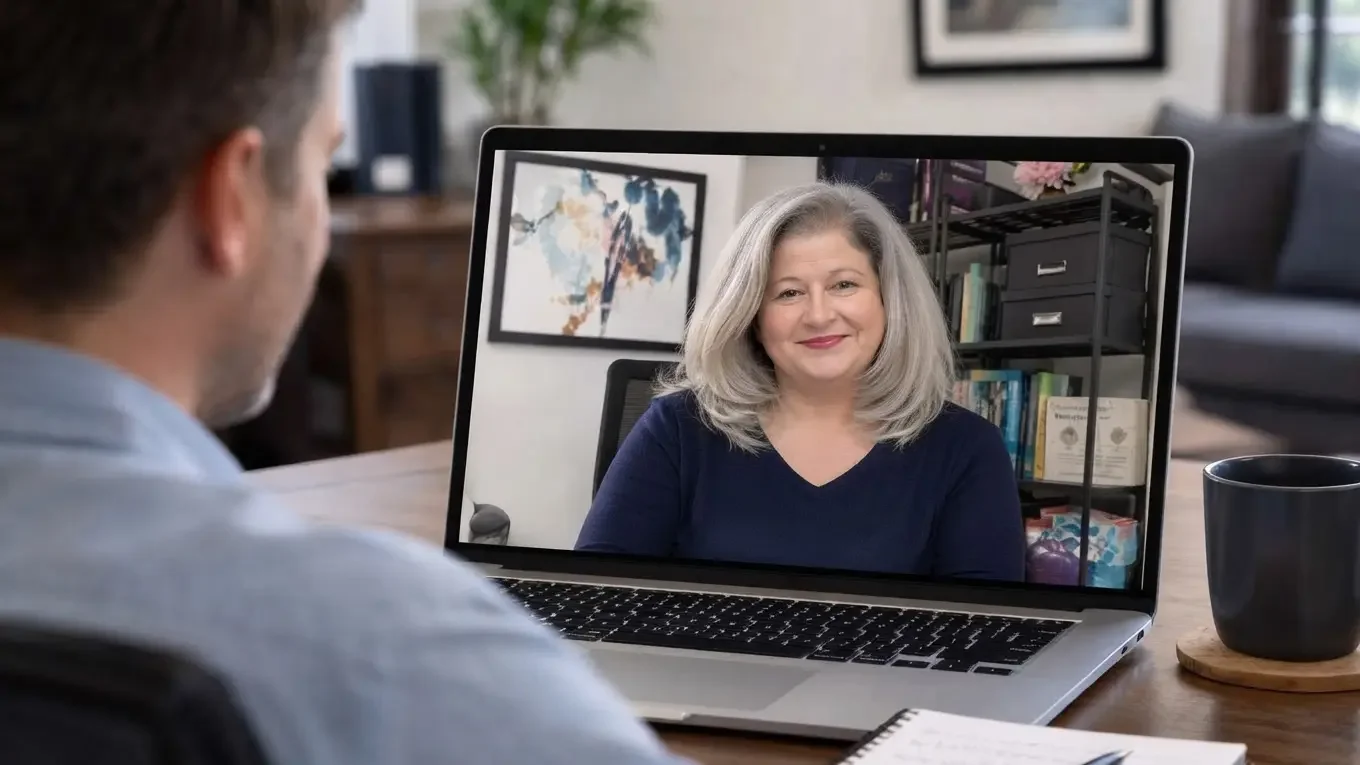
We’ll work on managing your triggers and fostering resilience so you can handle whatever life throws at you without reaching for a substance. I’ll also support you in healing the relationships that matter most.
Our secure online counseling sessions will always be tailored to your personal needs. You’ll also have access to a private digital library of activities, readings, worksheets, meditations, and videos chosen specifically for you in response to what comes up for you during therapy.
Stay Connected. Stay Supported.
The life you want is closer than you think. If you’re ready to level up your recovery, I invite you to get in touch through my contact form to learn more about my practice or book your first session.
Questions About Addiction Recovery Counseling?
-
Depends on what you’re looking for. If that’s your jam, I do. If it’s not, we’ll go in a different direction. I will say that in my experience, 12-step programs work, but only if you’re actually doing the 12-step work. If all you’re doing is going to meetings and filling a chair, you’re missing out on most of the benefits. If you’re turned off by the religious overtones, I can help you compartmentalize that aspect of 12-step recovery so it works for you too.
-
Yes.
-
I work with both. You can start therapy because you’re concerned about your drinking or drug use, because someone close to you is concerned about it, or because the consequences are starting to get unmanageable.
You don't have to identify as an addict or alcoholic to work with me. Some people embrace those labels, and others don't. That's your choice, and I'll respect it. My role is to help you sort out what's happening and what kind of change you want to make — not tell you how you should refer to yourself. -
Sure.
How I can help you specifically:
In addition to working with adults who have problems with substance use, I also work with family members who need recovery of their own, sometimes providing psychoeducation, sometimes helping to deal with the toll their loved one’s addiction has taken on their lives. In cases like those, you will be my client rather than the family member who has an addiction.
How I can help your loved one:
If you’re contacting me to work with your family member, they must be over 18 and located in Florida. Although you are welcome and even encouraged to ask questions about my services, if you decide to go with me, your family member will need to reach out to me themselves to start the intake process.
NOTE: If you are financially responsible for your loved one and wish to pay for their therapy, they will need to complete an authorization for disclosure and release of information, and you will need to complete a third-party payer agreement and credit card authorization prior to scheduling the first session. Reach out through my contact page to request the link to that form and to start the intake process itself.